Industrial vs. Consumer Security Cameras: 2026 Guide to Surveillance Technology
The global security landscape is undergoing a radical transformation. As smart cities expand and automated factories become the norm, the demand for high-performance surveillance systems has shifted from simple recording to intelligent data processing. For businesses and homeowners alike, choosing between industrial-grade security cameras and consumer-grade smart cameras is no longer just about price—it’s about matching the right technology to the specific environment.
1.Industrial Security Cameras: Built for High-Stakes Environments
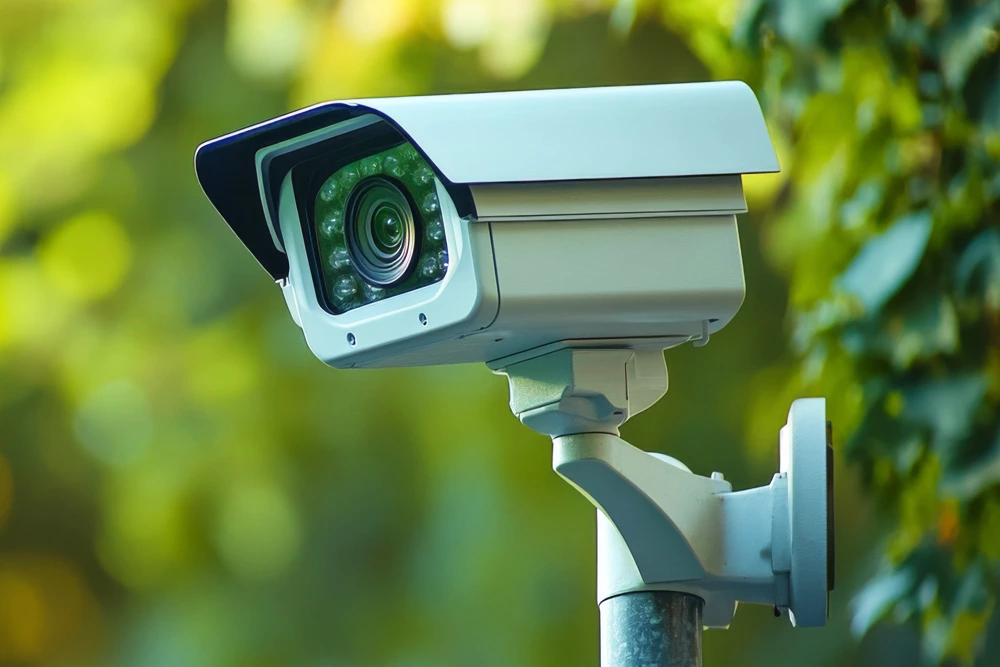
In sectors like manufacturing, logistics, and critical infrastructure, "standard" is never enough. Industrial-grade security solutions are engineered for 24/7 reliability under extreme stress.
- Ruggedized Performance: Designed with IP67 or IK10 ratings, these cameras withstand dust, water, and physical impact.
- Advanced Image Sensors: Utilizing Global Shutter technology to capture high-speed motion without distortion, essential for monitoring production lines or fast-moving traffic.
- Compliance and Standards: Reliability is backed by rigorous quality protocols such as ISO 9001 and IATF 16949, ensuring the hardware survives years of continuous operation.
2. Consumer Security Cameras: The Era of AI and IoT
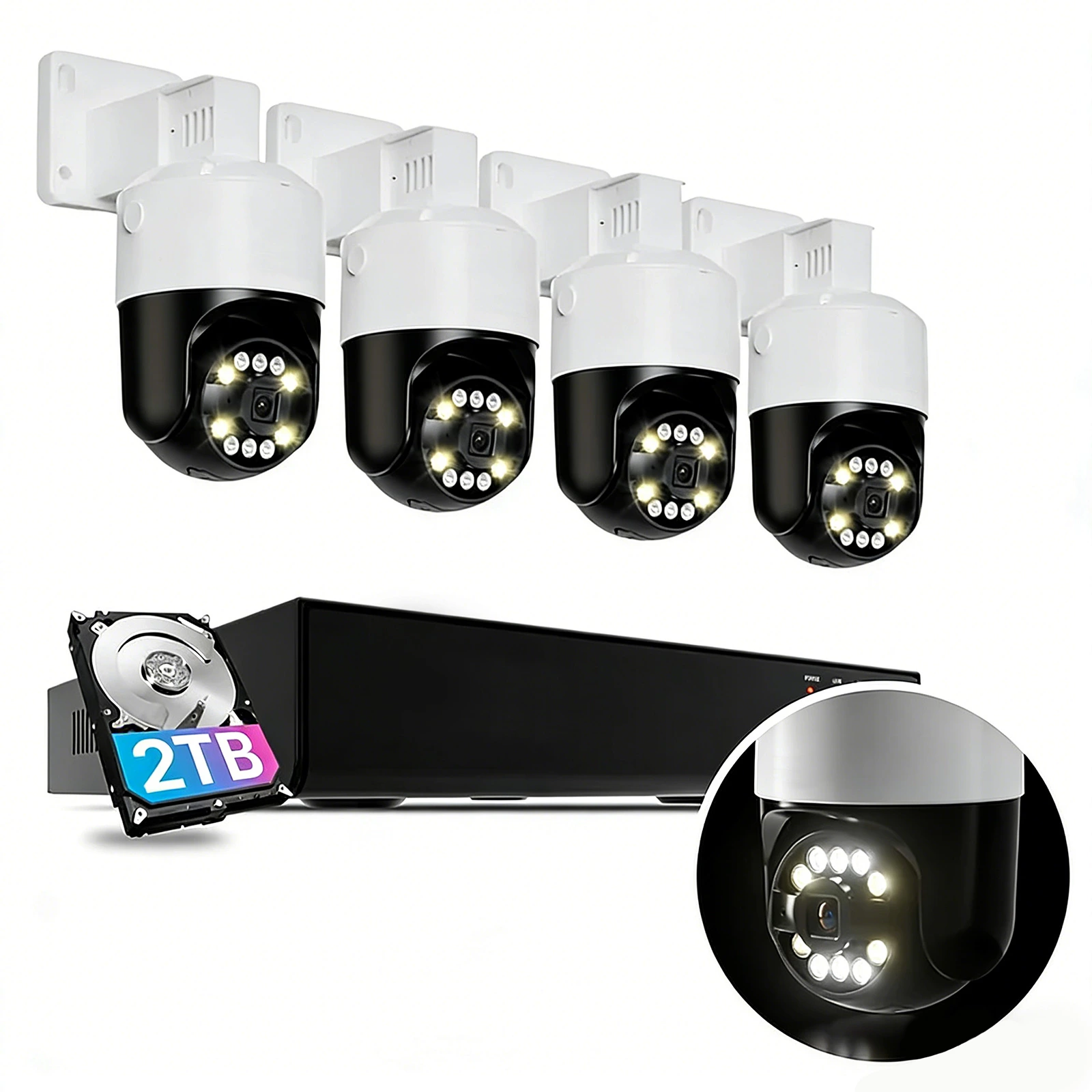
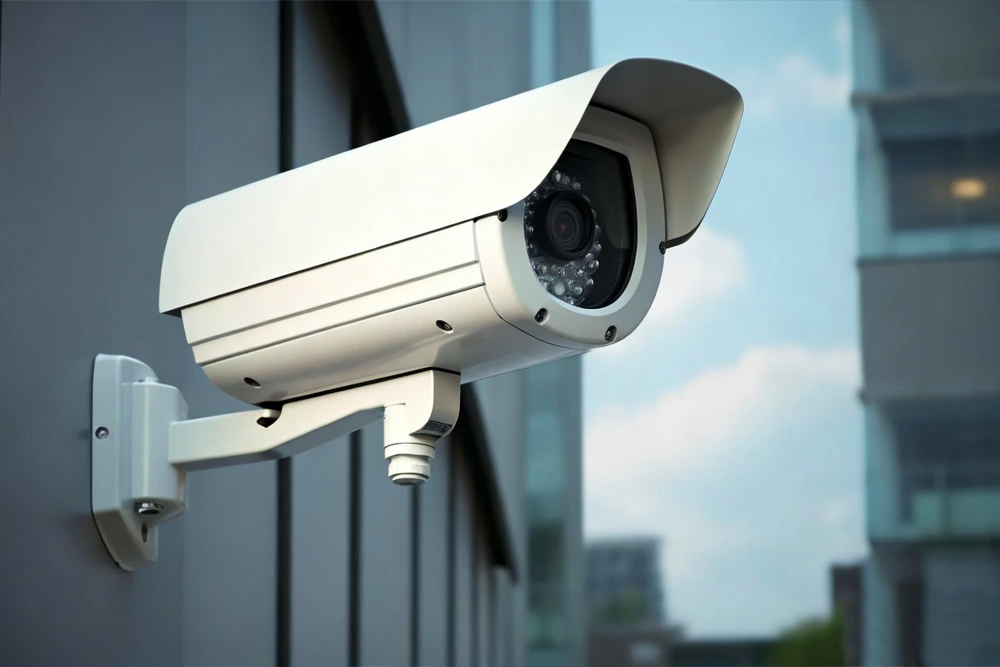
The consumer security market has moved beyond basic monitoring into the realm of the Smart Home. These devices prioritize connectivity and user-centric features.
- Embedded AI Analytics: Modern consumer cameras feature onboard AI for real-time human detection, facial recognition, and motion alerts sent directly to smartphones.
- Wireless Versatility: With WiFi-embedded modules and OTA (Over-the-Air) updates, these systems are easy to install and stay updated with the latest security patches automatically.
- Cost-Effective Scalability: Perfect for small businesses or residential use, offering 4K resolution and cloud storage at an accessible entry point.
3. Key Trends Shaping the 2026 Security Industry
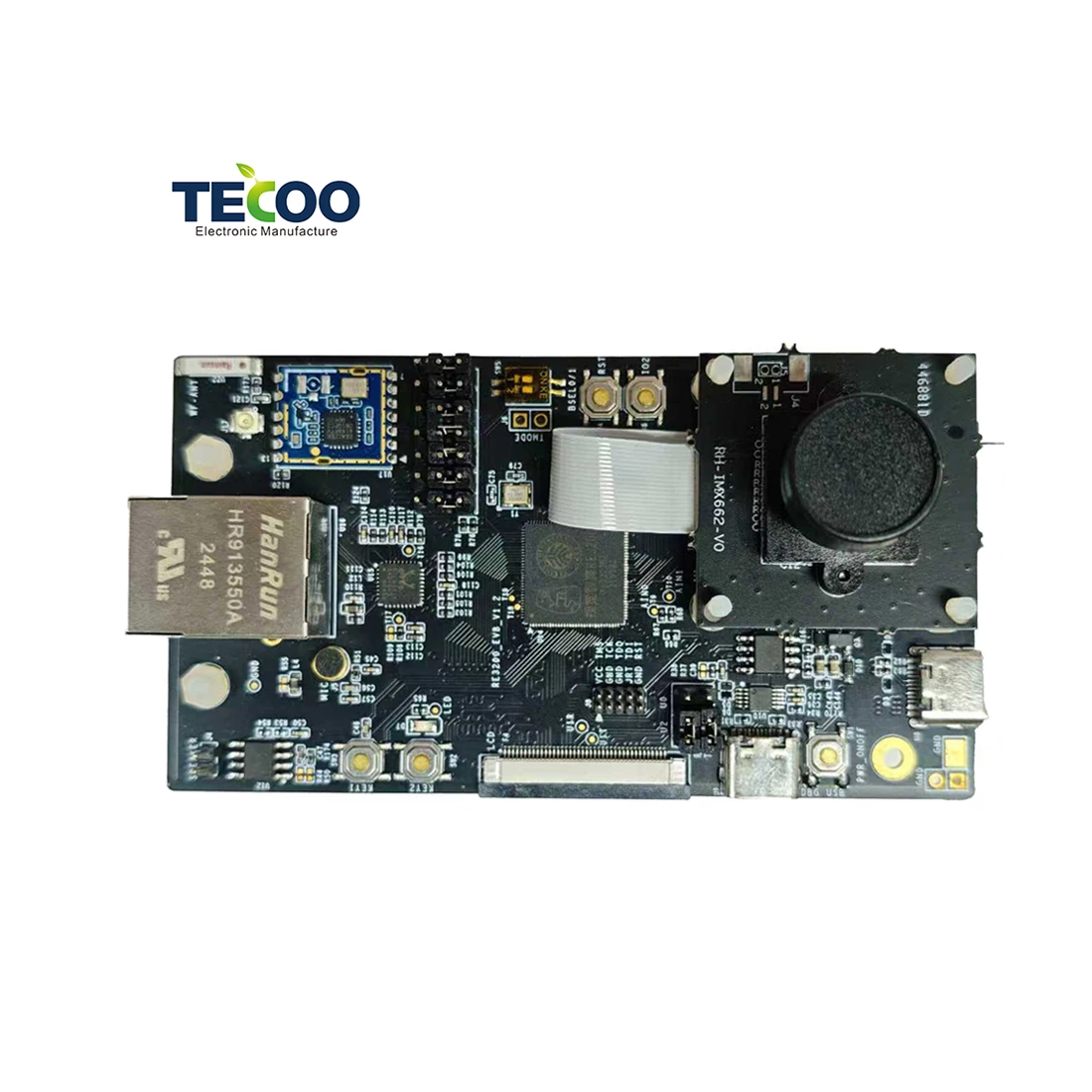
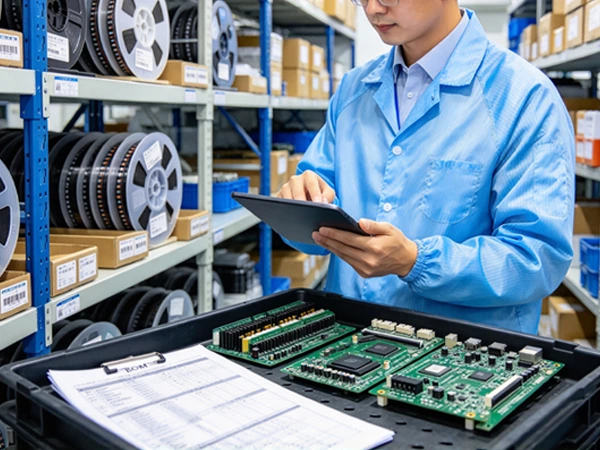
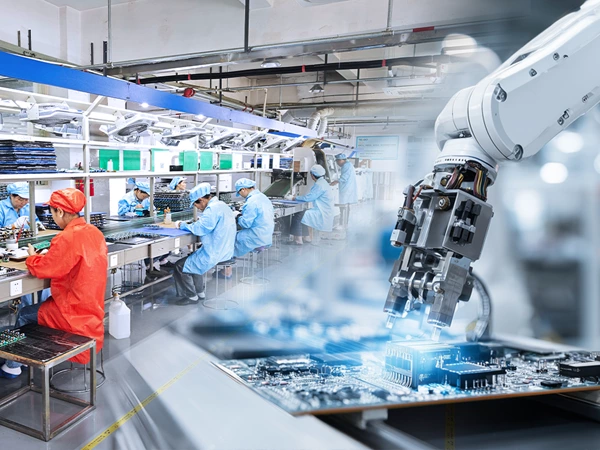
As a leader in Electronic Contract Manufacturing (EMS) and PCBA (Printed Circuit Board Assembly), we see three major technical breakthroughs driving the security sector this year:
- Edge Computing: Moving AI processing from the cloud to the camera’s internal controller to reduce latency and enhance privacy.
- Multispectral Imaging: Combining thermal and optical sensors for superior night vision and fire detection capabilities.
- IoT Integration: Security cameras now act as central hubs for smart home appliance controllers, linking lighting, locks, and alarms into a single ecosystem.
Why Quality Manufacturing Matters
The "brain" of any high-end camera is its control board. Whether you are deploying an industrial vision system or a consumer-grade doorbell camera, the stability of the PCB production and the precision of the assembly determine the longevity of the device. Our commitment to manufacturing excellence ensures that every camera module meets the highest global standards for safety and performance.