PCBA Reliability Grades: Commercial vs Industrial vs Medical vs Automotive - A Complete Guide
PCBA reliability grades are defined by their ability to withstand environmental stress, service life expectations, and certification requirements, with major differences in operating parameters and application scenarios—choosing the right grade directly affects product durability, safety, compliance, and long-term cost.
As a professional PCBA manufacturer serving clients across consumer electronics, industrial automation, medical devices, and automotive sectors, TECOO has firsthand experience matching the right reliability grade to each application—ensuring products meet certification requirements while optimizing cost and performance.
Quick Reference: PCBA Reliability Grades Comparison Table
| PCBA Reliability Grade | Operating Temperature Range | Vibration Tolerance (RMS, 10–2000Hz) | Expected Service Life | Key Certifications | Typical Application Scenarios | Failure Rate (Per 1000 Units/Year) |
| Commercial Grade PCBA | 0°C – 70°C | 5g | 3 – 5 years | ISO 9001, RoHS 3.0 | Consumer electronics, smartphones, tablets, home appliances, toys | 5 – 10 |
| Industrial Grade PCBA | -40°C – 85°C | 10g | 10 years+ | ISO 9001, IPC-A-610 Class 2 | Industrial control systems, IoT devices, factory automation, power meters | 1 – 3 |
| Medical Grade PCBA | -55°C – 125°C | 15g | 15 years+ | ISO 13485, IPC-A-610 Class 3, FDA Registration | Heart monitors, ultrasound machines, wearable health devices | 0.1 – 0.5 |
| Automotive Grade PCBA | -40°C – 150°C | 20g | 15 years+ or 200,000+ km | IATF 16949, AEC-Q100, RoHS 3.0 | ECUs, ADAS, infotainment systems, battery management systems | 0.2 – 0.8 |
Why PCBA Reliability Grades Matter Beyond Service Life
For manufacturers developing electronics products in 2026, understanding PCBA reliability grades is becoming increasingly important for product certification, warranty planning, and long-term market competitiveness. Whether comparing commercial vs industrial PCBA solutions or evaluating automotive PCBA reliability standards, the selected reliability level directly impacts operational stability, compliance approval, and customer trust.
Many engineers and purchasers assume PCBA reliability grades only determine product lifespan. In reality, the selected grade also impacts product safety, total cost of ownership, maintenance frequency, compliance approval, and market access.
Safety Risks in High-Critical Applications
Using the wrong PCBA reliability grade can create serious operational and safety risks. A commercial-grade PCBA may function correctly in a smartphone or indoor smart speaker, but the same board design could fail rapidly in a high-vibration industrial environment or inside an automotive electronic control unit (ECU).
For example, several industrial automation failures have been linked to the use of consumer-grade electrolytic capacitors in factory control systems. Under continuous heat exposure and vibration, capacitor degradation accelerated unexpectedly, leading to production-line shutdowns and costly downtime.
The risks become even more severe in medical and automotive electronics. A failure inside a patient monitoring device, insulin pump, or ADAS camera system could directly threaten human safety. This is why medical PCBA certification and automotive PCBA reliability standards require significantly stricter inspection, traceability, and validation procedures.
Total Cost of Ownership (TCO)
Commercial-grade PCBAs are the least expensive upfront, but lower initial cost does not always mean lower overall operating cost.
Industrial plants that switched from commercial-grade boards to industrial-grade PCBAs often report major reductions in maintenance frequency and unplanned downtime. In many factory automation environments, industrial-grade designs can reduce unexpected failures by more than 80% due to improved temperature resistance, vibration tolerance, and component quality.
Medical-grade and automotive-grade PCBAs are typically two to three times more expensive than commercial alternatives because they require additional testing, higher-quality components, and tighter process control. However, these costs are often offset by reduced warranty claims, lower replacement frequency, and minimized liability exposure.
Compliance and Market Access
Compliance requirements are another major reason why PCBA reliability grades matter.
Medical electronics sold in regulated markets must comply with standards such as ISO 13485 and FDA registration requirements. Similarly, automotive electronics intended for vehicles sold in North America or Europe must comply with IATF 16949 and AEC-Q100 component qualification standards.
A product that fails to meet the required PCBA operating temperature range or IPC PCBA reliability requirements may fail certification entirely, preventing legal market entry.
Commercial Grade PCBA: The Cost-Effective Contender
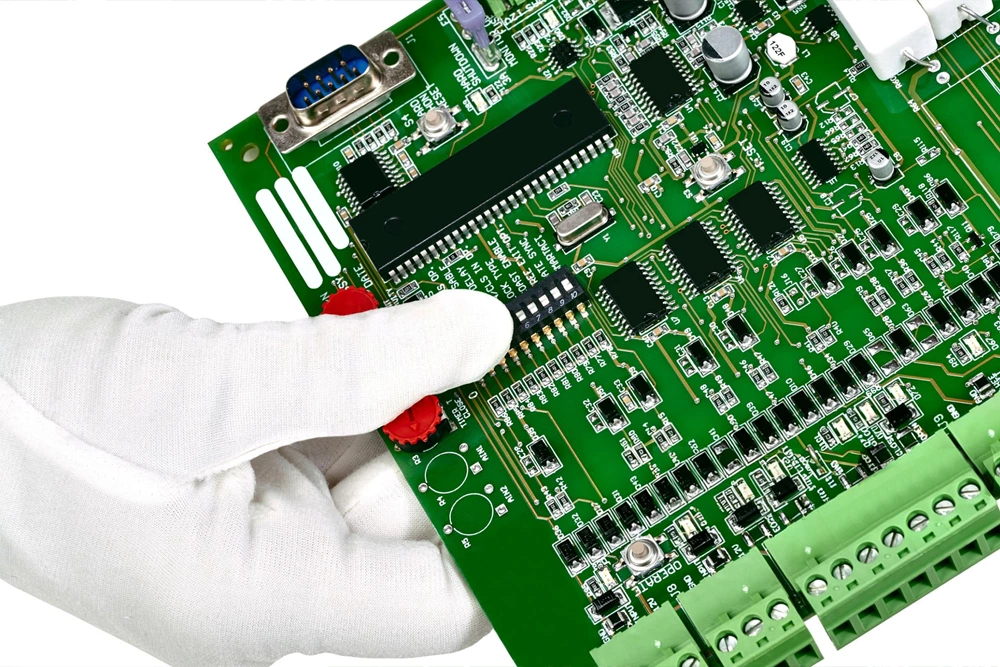
Commercial-grade PCBA is considered the entry-level reliability category and is primarily designed for low-risk consumer products operating in controlled environments.
Core Characteristics
Commercial-grade PCBA typically operate within a 0°C to 70°C PCBA operating temperature range and are optimized for cost-sensitive consumer products. These boards are widely used in high-volume electronics manufacturing where short replacement cycles and moderate environmental exposure are expected.
Commercial-grade boards typically operate within a 0°C to 70°C temperature range and are designed for standard daily use. Manufacturing focuses heavily on cost optimization, allowing high-volume production at lower prices.
These assemblies generally use standard electronic components, conventional soldering processes, and less rigorous inspection procedures compared to higher-grade PCBA.
Key Limitations
Commercial-grade boards are not designed for harsh environmental conditions. Extended exposure to vibration, humidity, thermal cycling, or continuous 24/7 operation can significantly reduce reliability.
Their expected service life is typically limited to three to five years, which aligns with the replacement cycle of most consumer electronics.
Typical Applications
Commercial vs industrial PCBA differences become very clear in consumer electronics.
Smartphones, tablets, smart home devices, toys, televisions, and home appliances commonly use commercial-grade PCBAs because these products operate in relatively stable indoor environments.
For example, a smartphone motherboard usually uses commercial-grade components because the device experiences moderate temperatures and is commonly replaced within two to three years.
Selection Tip
Choose commercial-grade PCBA only when the application environment is stable, temperature exposure remains moderate, and the product does not involve critical safety functions.
Industrial Grade PCBA: The High-Reliability Workhorse
Industrial-grade PCBA is designed for long-term reliability in demanding operating environments where equipment may run continuously for years.
Core Characteristics
Industrial-grade PCBA is designed according to stricter IPC PCBA reliability requirements to support long-term operation in demanding industrial environments. Compared with commercial vs industrial PCBA solutions, industrial-grade assemblies provide significantly better durability, environmental resistance, and operational stability.
Industrial-grade boards typically support operating temperatures from -40°C to 85°C and provide stronger resistance to vibration, dust, humidity, and voltage fluctuations.
Most industrial assemblies comply with IPC-A-610 Class 2 standards, which define stricter workmanship and inspection requirements than commercial-grade production.
Key Advantages
Industrial-grade PCBA is engineered for 24/7 operation. Compared with commercial boards, they offer improved solder joint durability, stronger component retention, and enhanced thermal management.
These boards are widely used in factory automation, industrial IoT systems, smart energy devices, and heavy-equipment control systems.
Typical Applications
A factory PLC (Programmable Logic Controller) commonly uses industrial-grade components because production environments often involve vibration, elevated temperatures, electrical noise, and continuous operation.
Industrial IoT sensors, smart power meters, robotic control systems, and industrial networking equipment also rely heavily on industrial-grade PCBA.
Selection Tip
Choose industrial-grade PCBA when the product must operate reliably for many years under demanding environmental conditions but is not directly life-critical.
Medical Grade PCBA: The Zero-Defect Critical Grade
Medical-grade PCBA represents one of the most tightly controlled and highly regulated reliability categories in the electronics industry.
Core Characteristics
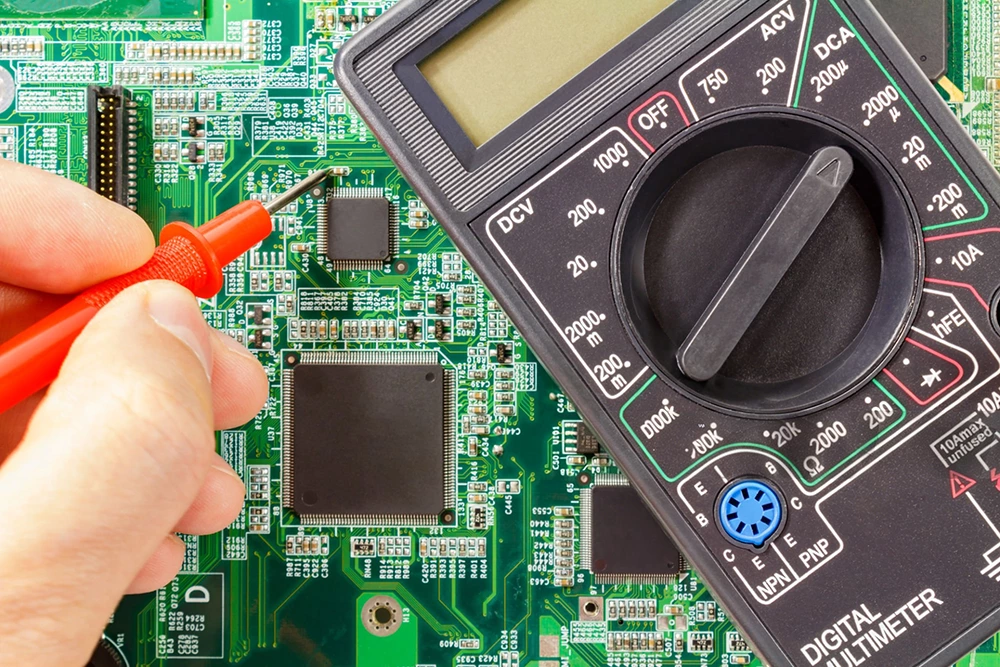
Medical-grade PCBAs must satisfy the strictest medical PCBA certification standards in the electronics industry. Manufacturers producing healthcare electronics must demonstrate full traceability, validated manufacturing processes, and highly controlled inspection procedures.
Medical-grade assemblies support extreme operating conditions ranging from -55°C to 125°C while maintaining exceptionally low failure rates.
These boards typically undergo 100% inspection, strict process traceability, advanced quality validation, and detailed documentation control.
Medical PCBA certification requirements often include ISO 13485 compliance, IPC-A-610 Class 3 workmanship standards, and FDA-related manufacturing controls.
Typical Applications
Portable ECG monitors, insulin pumps, ultrasound systems, surgical instruments, and wearable healthcare devices commonly use medical-grade PCBAs.
For example, a portable heart-monitoring device must maintain stable performance whether it is used inside a hospital, ambulance, or patient home.
Selection Tip
Medical devices should always use medical-grade PCBAs. Attempting to reduce costs by downgrading to industrial-grade boards creates both regulatory and safety risks.
Automotive Grade PCBA: The Extreme-Environment Grade
Automotive-grade PCBA is specifically designed to survive the harsh thermal, electrical, and mechanical conditions found inside vehicles.
Core Characteristics
Automotive-grade PCBA is specifically designed to survive the harsh thermal, electrical, and mechanical conditions found inside vehicles.
Core Characteristics
Automotive-grade PCBAs are built specifically to comply with global automotive PCBA reliability standards and harsh vehicle operating environments. These assemblies are engineered to survive long-term exposure to thermal cycling, vibration, humidity, and electromagnetic interference.
Automotive PCBAs typically support operating temperatures between -40°C and 150°C while withstanding constant vibration and thermal cycling.
These assemblies must comply with automotive PCBA reliability standards such as IATF 16949 and AEC-Q100.
AEC-Q100 defines stress-test qualification requirements for integrated circuits used in automotive applications, ensuring components can survive long-term exposure to extreme conditions.
Key Challenges
Vehicle electronics experience constant temperature fluctuations, humidity exposure, electromagnetic interference (EMI), and vibration.
Boards installed near engines, battery packs, or exterior-mounted systems face especially severe operating conditions.
Typical Applications
Automotive-grade PCBAs are widely used in ECUs, ADAS cameras, infotainment systems, radar modules, battery management systems (BMS), and electric vehicle control units.
For example, an electric vehicle battery management system must maintain accurate operation while exposed to elevated temperatures and continuous vibration inside the battery enclosure.
Selection Tip
All automotive electronics should use automotive-grade PCBAs with AEC-Q100 qualified components to ensure long-term reliability and compliance.
Real-World Scenarios: Choosing the Right PCBA Reliability Grade
Scenario 1: Consumer Smart Speaker
Application Environment: Indoor operation, 10°C–30°C, low vibration, expected lifespan of three to four years.
Recommended Choice: Commercial Grade PCBA.
Reason: The operating environment is stable, safety risks are minimal, and cost efficiency is the highest priority.
Scenario 2: Industrial IoT Sensor in a Factory
Application Environment: -10°C to 60°C, continuous operation, vibration exposure, expected service life of over 10 years.
Recommended Choice: Industrial Grade PCBA.
Reason: Industrial-grade assemblies provide the durability required for factory environments while maintaining reasonable production cost.
Scenario 3: Automotive ADAS Camera
Application Environment: Exterior vehicle mounting, high vibration, temperature exposure from -30°C to 80°C, safety-critical operation.
Recommended Choice: Automotive Grade PCBA.
Reason: Automotive-grade boards with AEC-Q100 qualified components are required to survive harsh automotive conditions and meet safety regulations.
Expert FAQ
1. Can Industrial Grade PCBA replace Medical Grade PCBA to reduce costs?
No. Medical-grade PCBAs require ISO 13485 certification, IPC-A-610 Class 3 workmanship standards, enhanced traceability, and near-zero defect inspection procedures. Industrial-grade PCBAs do not meet these requirements.
2. What is the cost difference between different PCBA reliability grades?
Compared with commercial-grade PCBA, industrial-grade assemblies are typically 1.5–2 times more expensive. Medical-grade PCBAs are commonly 2–3 times more expensive, while automotive-grade PCBAs are approximately 1.8–2.5 times more expensive due to additional testing, certification, and component qualification requirements.
3. How can buyers verify a PCBA reliability grade?
Review the manufacturer’s certifications, including ISO 13485 for medical products and IATF 16949 for automotive production. Buyers should also request AEC-Q100 qualification documentation, IPC inspection reports, and third-party environmental test data.
4. Can Commercial Grade PCBA be used in outdoor consumer products?
Only in mild outdoor conditions without extreme weather exposure. Products operating in freezing winters, direct sunlight, or high-humidity environments should generally use industrial-grade PCBAs instead.
5. How does PCBA reliability grade affect product warranty?
Commercial-grade PCBAs typically support one- to two-year warranties, while industrial-grade products commonly support five to ten years. Medical and automotive electronics often require operational support exceeding 10 years because of stricter reliability expectations.
The Bottom Line
As electronic systems become more advanced across industrial automation, healthcare, electric vehicles, and smart consumer devices, selecting the correct PCBA reliability grade is becoming a critical engineering and purchasing decision. Understanding commercial vs industrial PCBA differences, medical PCBA certification requirements, automotive PCBA reliability standards, and IPC PCBA reliability requirements helps manufacturers reduce risk while improving long-term product performance.
Choosing the right PCBA reliability grade is not about selecting the highest specification available—it is about matching the grade to the application environment, service life expectations, and safety requirements of the product.
Commercial-grade PCBA is ideal for cost-sensitive consumer electronics operating in stable conditions. Industrial-grade PCBA provides a strong balance between durability and affordability for factory automation and industrial IoT systems. Medical-grade and automotive-grade PCBAs are mandatory for life-critical and extreme-environment applications where reliability failures are unacceptable.
Always prioritize compliance, environmental suitability, and long-term reliability over short-term cost savings. The correct PCBA reliability grade directly influences product stability, safety performance, maintenance cost, and brand reputation.
For customized PCBA reliability solutions, work with a qualified manufacturer — such as TECOO, an ISO-certified PCBA provider — that delivers certified production processes, environmental testing capabilities, and full traceability support.