Cost-Effective Bulk PCBA Manufacturing: How to Control Total Production Cost
Introduction
For electronics OEMs, choosing a bulk PCBA manufacturing supplier is not simply a matter of comparing unit prices. The final cost of an assembled circuit board also depends on component availability, production yield, inspection requirements, delivery reliability, and the cost of managing quality issues.
A low quotation may appear attractive at the beginning of a project. However, unexpected component substitutions, repeated rework, production delays, or incomplete traceability can increase the total cost of ownership.
Cost-effective bulk PCBA manufacturing therefore requires a balanced approach: controlling material costs, maintaining consistent assembly quality, planning production capacity, and matching inspection and testing methods to the product's requirements.
This guide explains the main cost drivers in bulk PCB assembly and provides practical criteria for evaluating an electronics manufacturing services (EMS) partner.
What Is Bulk PCBA Manufacturing?
Bulk PCBA manufacturing refers to the production of printed circuit board assemblies in repeated or relatively large production runs. Depending on the product, order volume may range from hundreds to thousands of assemblies or substantially more.
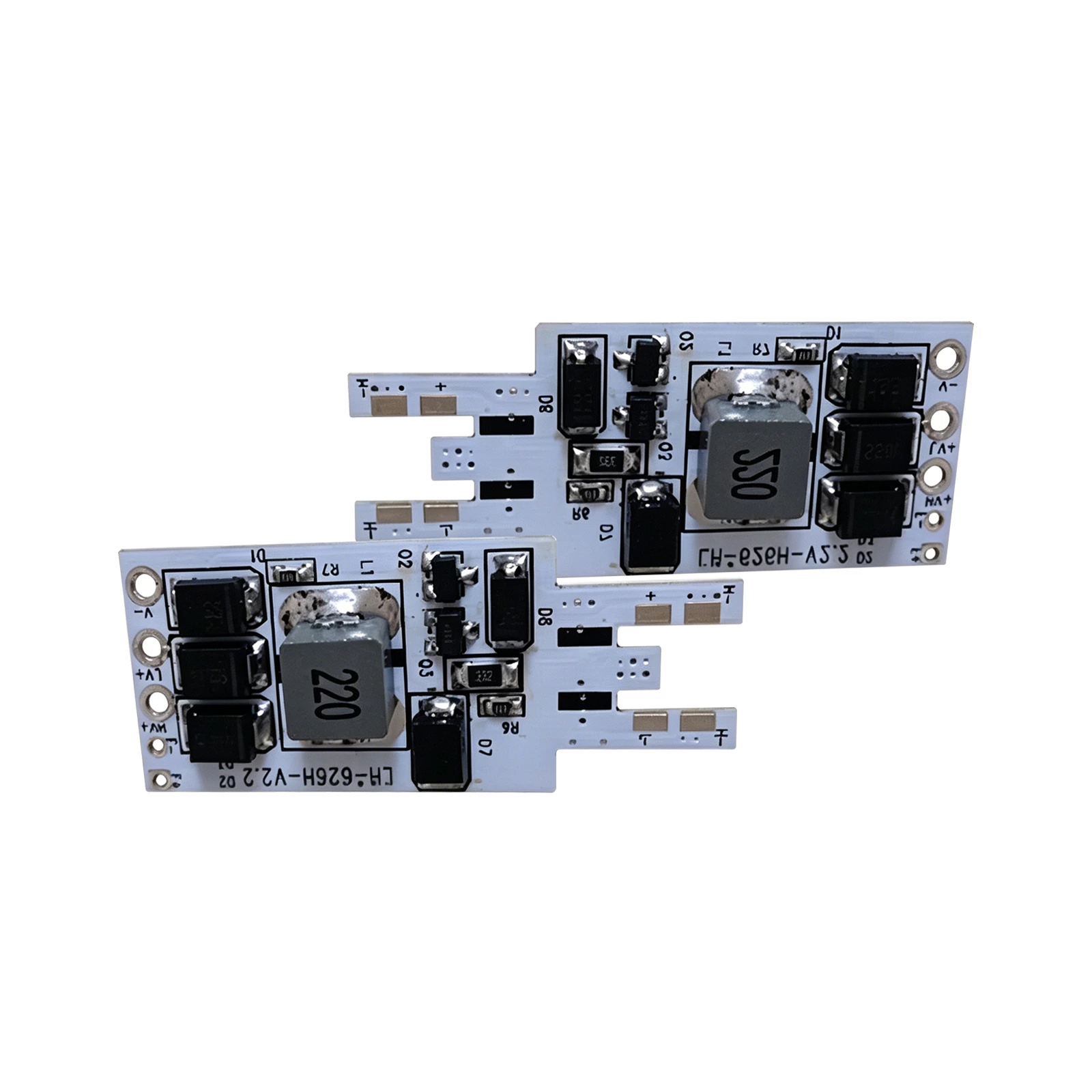
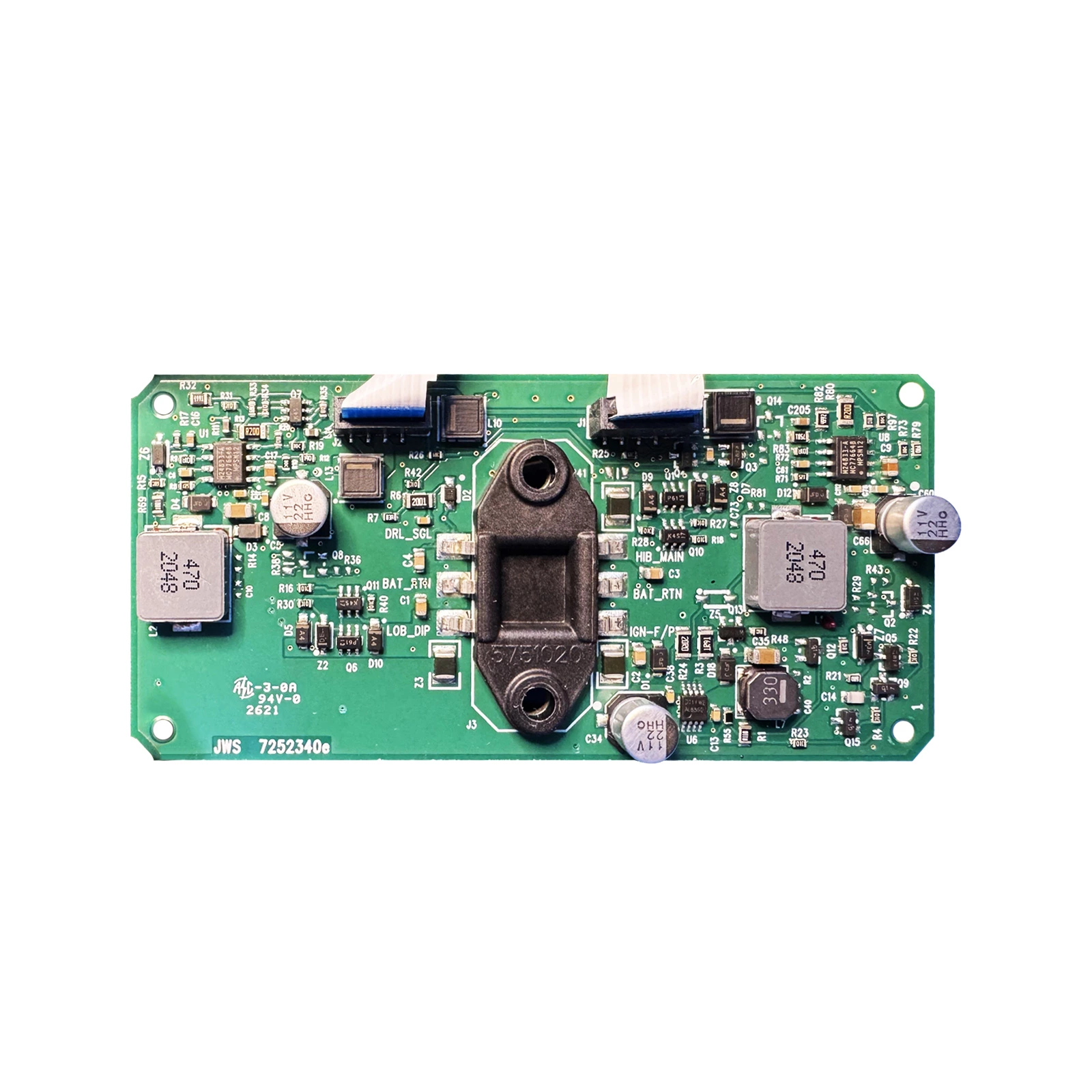
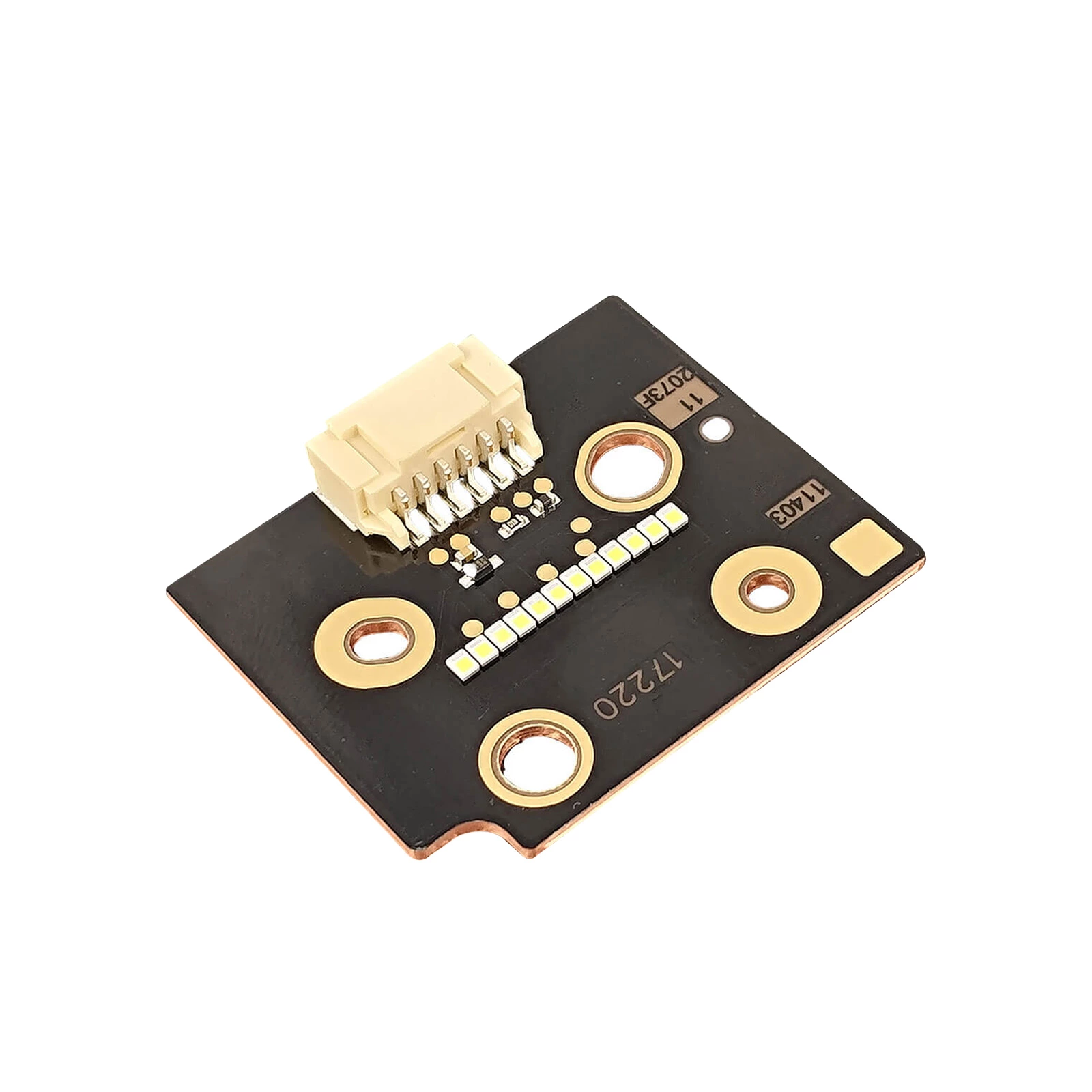
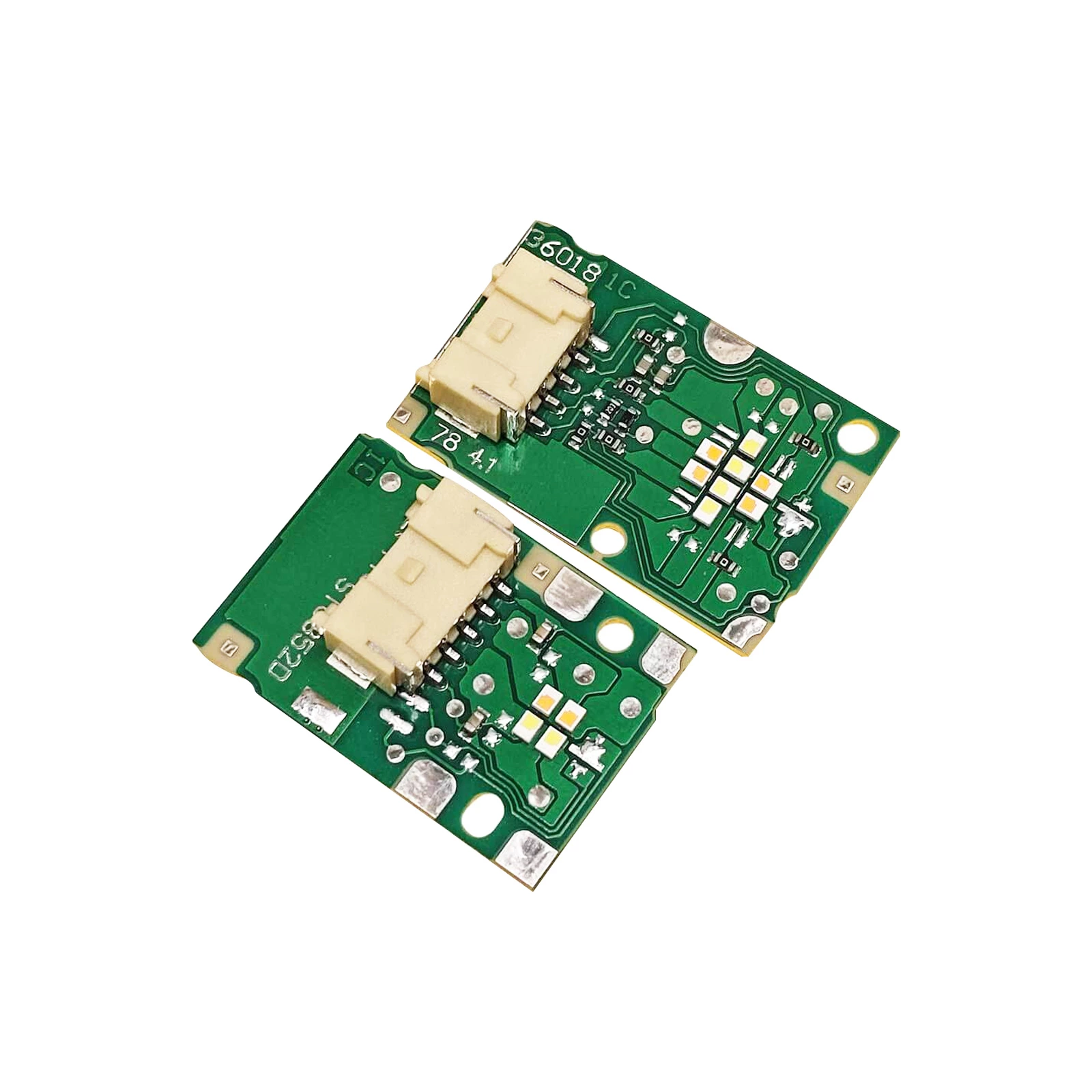
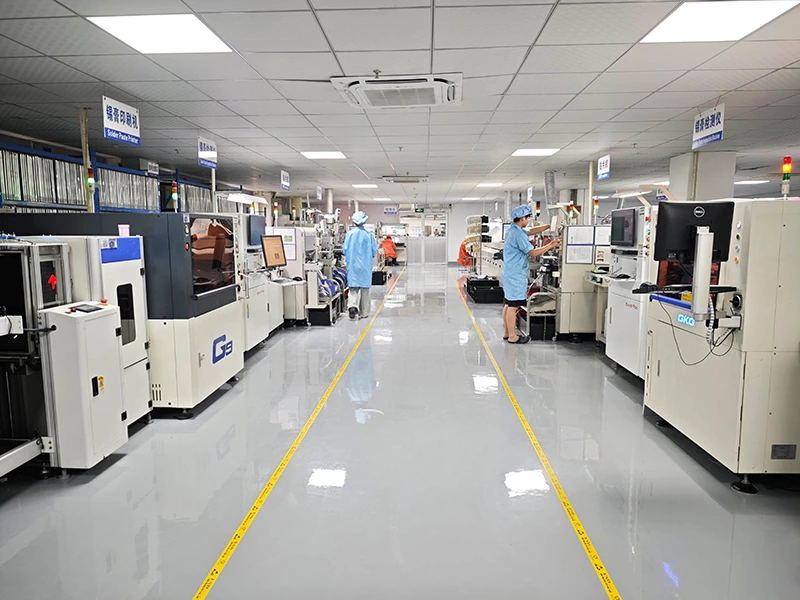
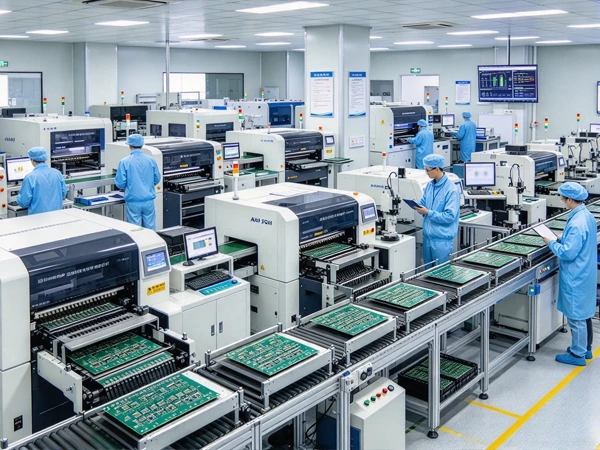
The manufacturing process can include component sourcing, solder paste printing, surface-mount technology (SMT) assembly, through-hole assembly, soldering, inspection, functional testing, and final packaging.
The exact production configuration depends on the bill of materials (BOM), PCB design, component mix, testing requirements, and expected order volume.
For OEMs, the objective is to establish a repeatable manufacturing process that supports predictable cost, quality, and delivery performance as demand grows.
Five Factors That Affect Bulk PCBA Manufacturing Cost
1. Bill of Materials and Component Sourcing
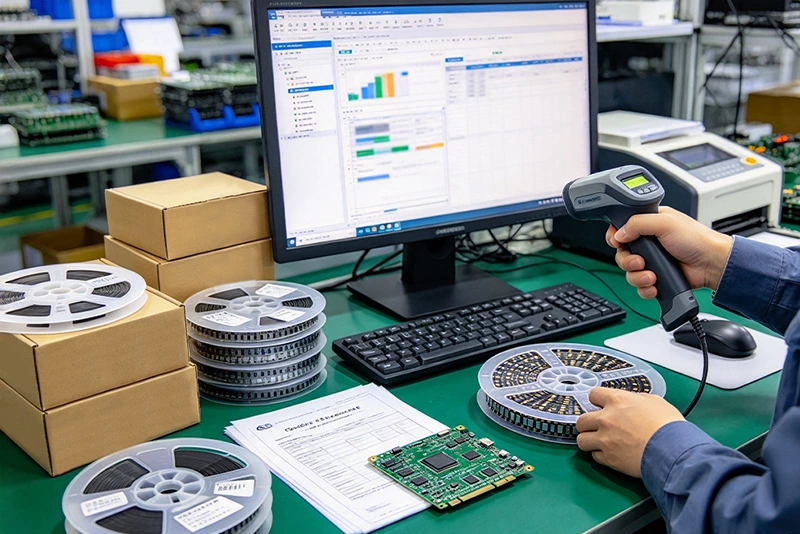
The BOM is one of the main cost drivers in PCBA manufacturing. Its impact depends on component type, availability, lifecycle status, purchasing quantity, and supply-chain conditions.
Several sourcing practices can help manage material costs:
- Review the BOM before production to identify long-lead-time and end-of-life components.
- Check component availability and pricing using appropriate suppliers and distribution channels.
- Identify single-source components that may create supply risks.
- Evaluate alternative components only when technically suitable and approved by the customer.
- Plan material purchasing early enough to reduce the risk of urgent procurement.
Component substitutions should follow a documented approval process. A lower-priced alternative is not automatically acceptable if it changes electrical performance, reliability, compatibility, or regulatory compliance.
2. Manufacturing Yield and Rework
Production yield affects the number of assemblies that can be completed without additional repair or rework.
Defects may originate from solder paste printing, component placement, reflow soldering, component quality, PCB design, or handling. Effective process control helps manufacturers identify and address recurring issues before they affect larger production quantities.
When comparing suppliers, ask how they define first-pass yield. A board that passes inspection without rework is not equivalent, from a cost perspective, to a board that requires repair before shipment.
It is also useful to understand how defects are recorded, investigated, corrected, and monitored across production batches.
3. Production Planning and Delivery Reliability
A bulk PCBA order depends on more than available assembly equipment. Component lead times, production scheduling, change management, testing capacity, and packaging requirements all affect the final delivery date.
Before confirming an order, the supplier should review material availability, manufacturing requirements, and the production schedule.
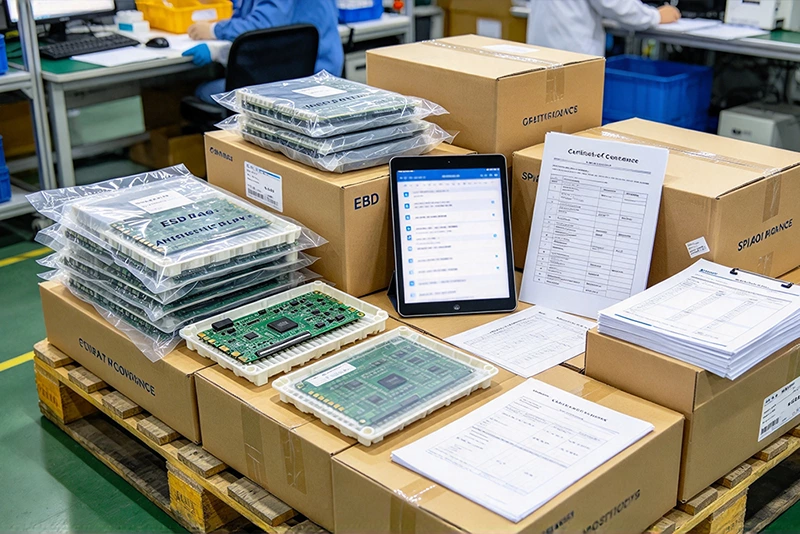
Clear communication is especially important when components become unavailable or an engineering change affects production. Early identification of delivery risks gives the buyer more time to adjust inventory or downstream assembly plans.
4. Inspection and Functional Testing
Inspection and testing add cost, but the appropriate level of control can reduce the risk of defects reaching the customer.
Depending on the assembly, the manufacturing process may include first-article inspection, automated optical inspection (AOI), X-ray inspection for suitable packages, in-circuit testing (ICT), or functional testing.
Not every board requires every test method. The inspection plan should be agreed upon according to the design, component package types, product risk, and customer specifications.
A useful quotation should explain what is included in the inspection and test scope rather than simply stating that the boards will be tested.
5. Traceability and Quality Documentation
Traceability helps manufacturers and customers investigate production issues and identify potentially affected batches.
Depending on the product and agreed requirements, records may include component lot information, production dates, inspection results, test records, and relevant process documentation.
For products with strict quality or regulatory requirements, buyers should confirm the level of traceability available before placing an order.
Complete documentation can also reduce repeated communication between the buyer, manufacturer, and quality teams.
How to Evaluate a Bulk PCBA Supplier
A structured supplier evaluation helps procurement teams compare manufacturing partners beyond the quoted price.
Review the manufacturing process
Ask about the supplier's SMT and through-hole assembly capabilities, inspection equipment, process controls, and experience with similar products.
Confirm component sourcing practices
Clarify how components are sourced, how shortages are managed, and whether alternative parts require customer approval before use.
Understand the yield and rework process
Ask how first-pass yield is measured, how recurring defects are investigated, and how corrective actions are verified.
Check testing requirements
Specify the required electrical, functional, and inspection tests. Confirm which tests are included in the quotation and which require additional fixtures, equipment, or engineering work.
Evaluate production planning
Review the expected production lead time, material procurement schedule, capacity allocation, and communication process for potential delays.
Compare the total cost
A meaningful comparison should consider material cost, assembly cost, tooling and testing charges, inspection requirements, logistics, and the potential cost of quality issues.
The lowest quotation may not be the lowest-cost option once these factors are included.
How TECOO Supports PCBA Manufacturing Projects
TECOO provides electronics manufacturing services covering component sourcing, PCB assembly, and finished-product assembly and testing, subject to project requirements.
Its manufacturing resources include SMT production lines, through-hole assembly processes, inspection equipment, and functional testing arrangements. The appropriate process configuration depends on the product design, order volume, and customer quality requirements.
For bulk PCBA projects, early communication about the BOM, expected demand, technical documentation, and test requirements helps establish a practical manufacturing plan.
Customers should share their assembly drawings, BOM, Gerber files, test specifications, annual demand estimates, and target delivery schedule so that manufacturing feasibility and quotation details can be reviewed accurately.
Frequently Asked Questions
1. What is the most important factor in bulk PCBA manufacturing cost?
There is no single factor for every project. Component cost, production yield, assembly complexity, testing scope, and delivery requirements can all have a significant impact.
2. How can I reduce PCBA manufacturing costs without compromising quality?
Start with a BOM review, manufacturability assessment, realistic production planning, and a test plan aligned with product risks. Avoid unapproved component substitutions or reducing necessary inspection simply to lower the quotation.
3. What information is needed for a bulk PCBA quotation?
Typical inputs include the BOM, Gerber files, assembly drawings, order quantity, testing requirements, component sourcing preferences, packaging requirements, and target delivery schedule.
4. Should I choose a supplier based only on unit price?
No. Compare the full quotation scope, quality controls, component sourcing practices, production lead time, traceability, and logistics requirements before making a decision.
Conclusion
Cost-effective bulk PCBA manufacturing is achieved through coordinated material planning, stable assembly processes, appropriate inspection, reliable scheduling, and clear quality documentation.
For OEMs and procurement teams, evaluating these factors alongside unit price provides a more realistic view of manufacturing cost and supplier suitability.
A well-defined manufacturing plan also helps establish a repeatable process that can support future production orders as demand changes.
Contact TECOO to discuss your PCBA manufacturing requirements and request a project-specific assessment.